The English Lop is one of the oldest rabbit breeds of all. Because this distinctive breed is so rare, visitors unfortunately only seldom get to see these rabbits at shows, let alone get the chance to judge one themselves as a judge. I have often heard fellow judges say that despite many years of judging they have never, or only very rarely, judged an English Lop. That makes it all the more important to provide active training, whether in the club, in the judges’ group or with a local breeder of this breed. Experience at regional level, and right up to the German national show, shows how important it is to get to grips with judging English Lops beforehand, to avoid coming to grief and to ensure an objective assessment for everyone. Here I would like to give a small insight into measuring the ears correctly, to show how easy it is once you pay attention to a few details.
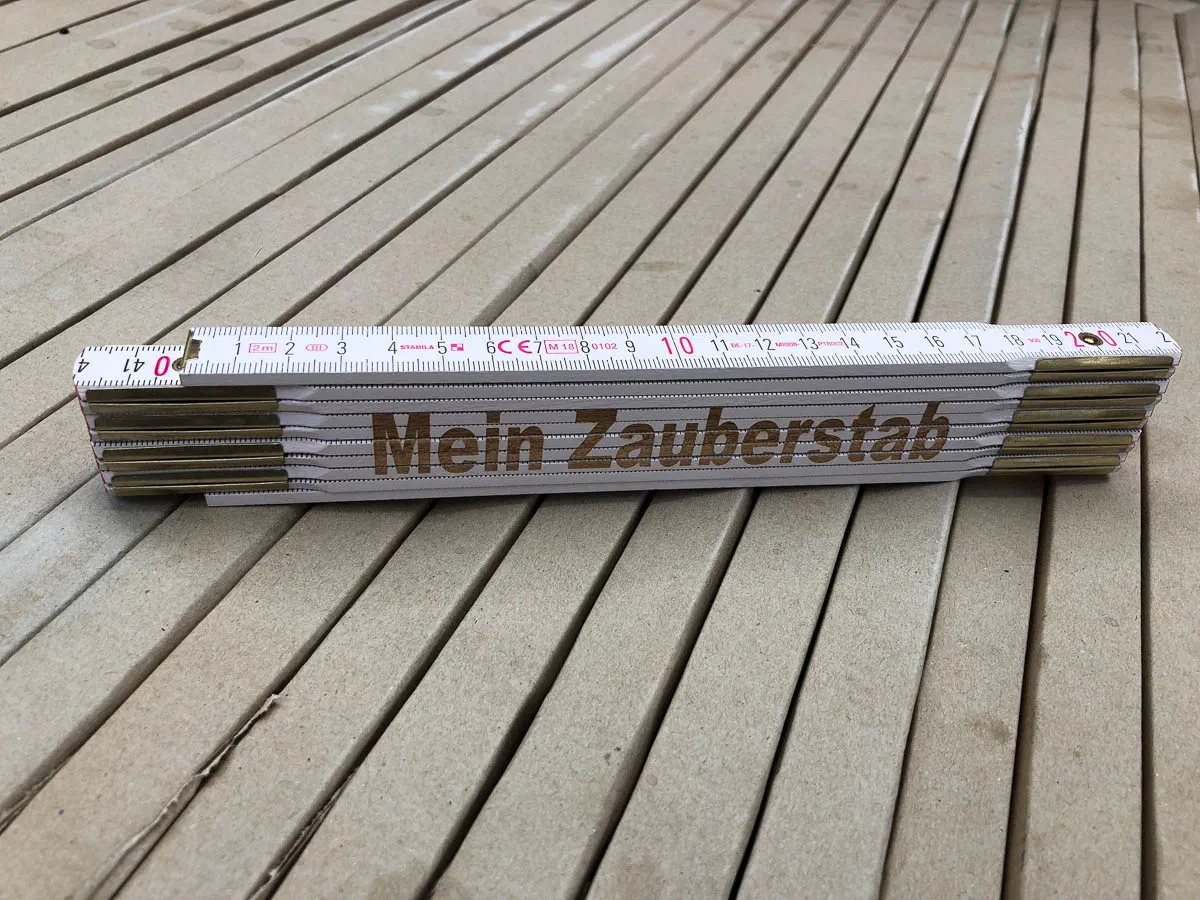
As with so many things, the right tool is the starting point. The folding ruler should have 20 cm segments and be rigid, meaning it should stand up without bending much. It is a good idea to cut two pieces from a 2 m folding ruler by cleanly cutting through the segment at 70 cm each time. This gives you a sturdy measuring stick that is handy and still long enough to measure properly.
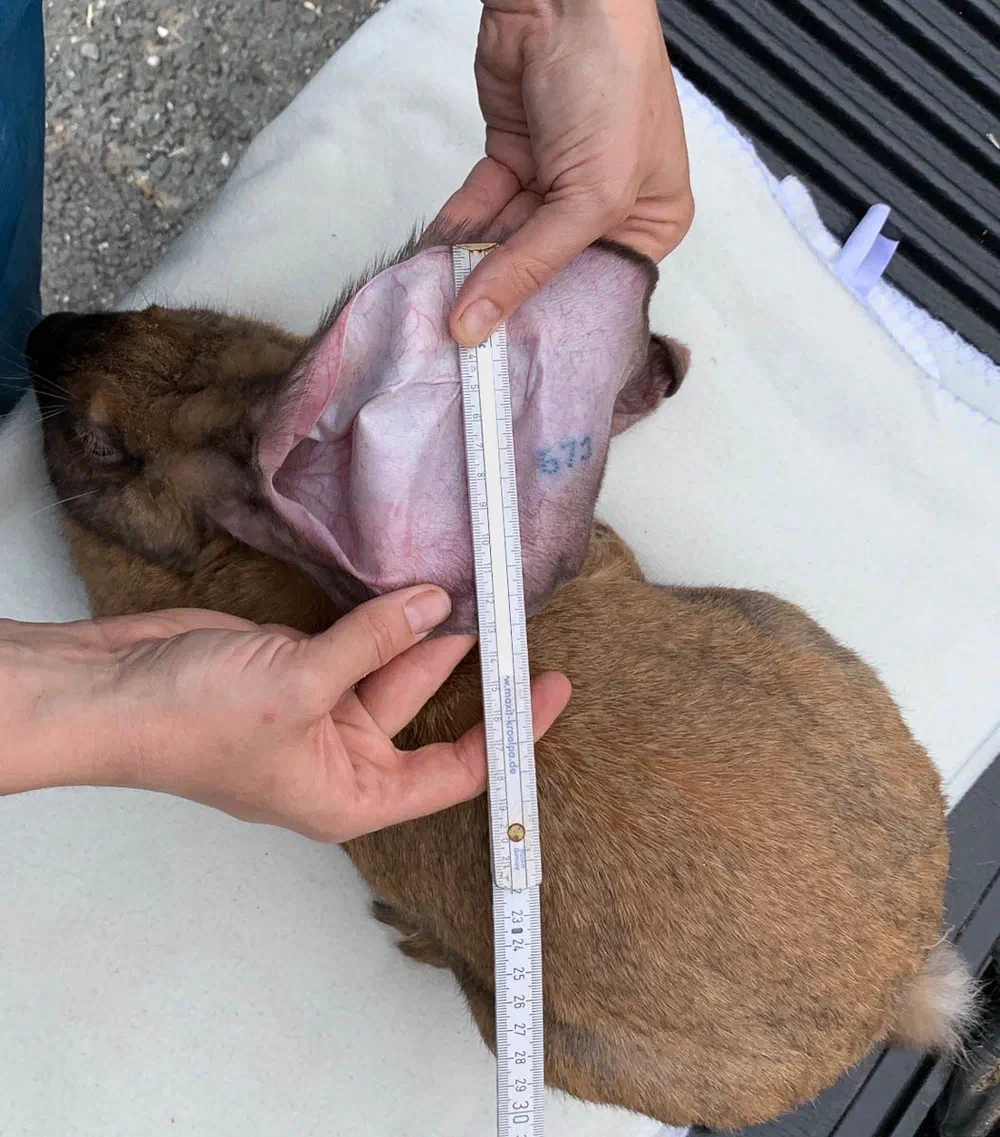
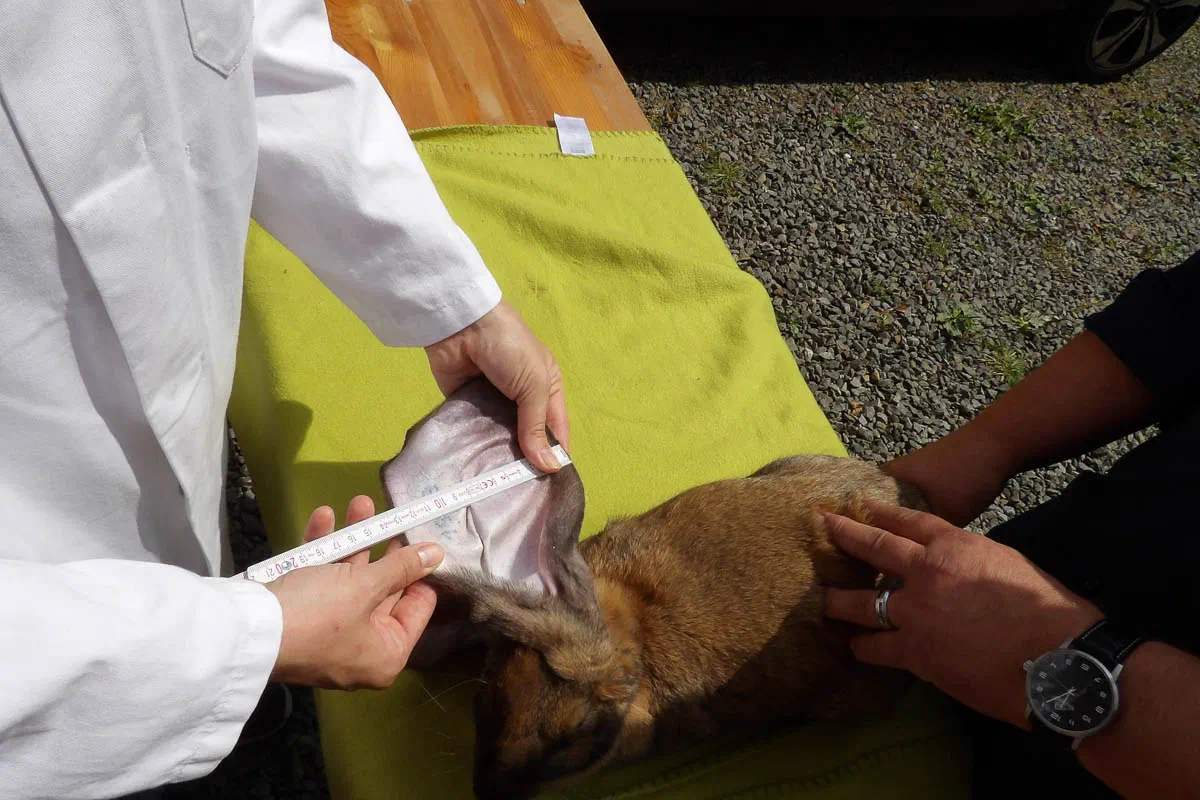
“The ear length is to be measured with the folding ruler over the animal’s head from one tip to the other. The ears are laid against the ruler with the ear opening facing forward and without twisting. The ears are to be pulled slightly during measurement.” So says the standard.
Opinions are divided over the little word “pull”. Perhaps “stretched slightly taut” would be the better wording.
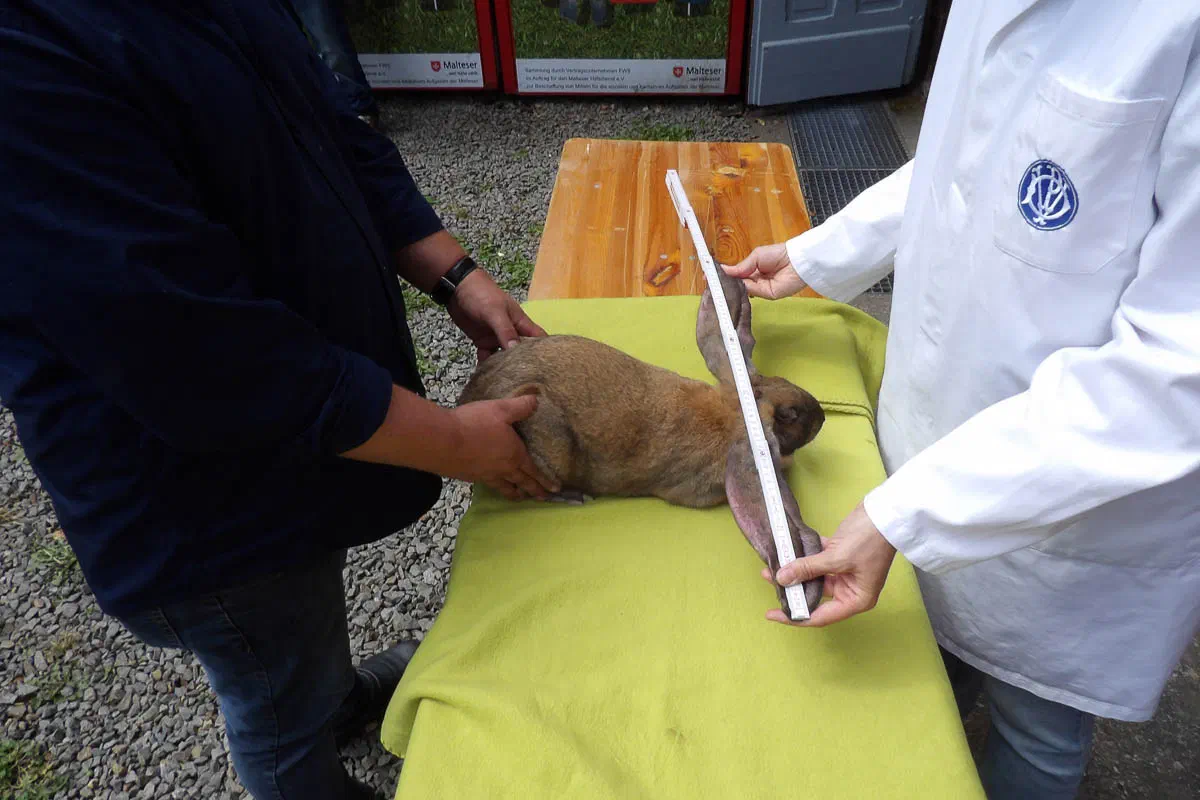
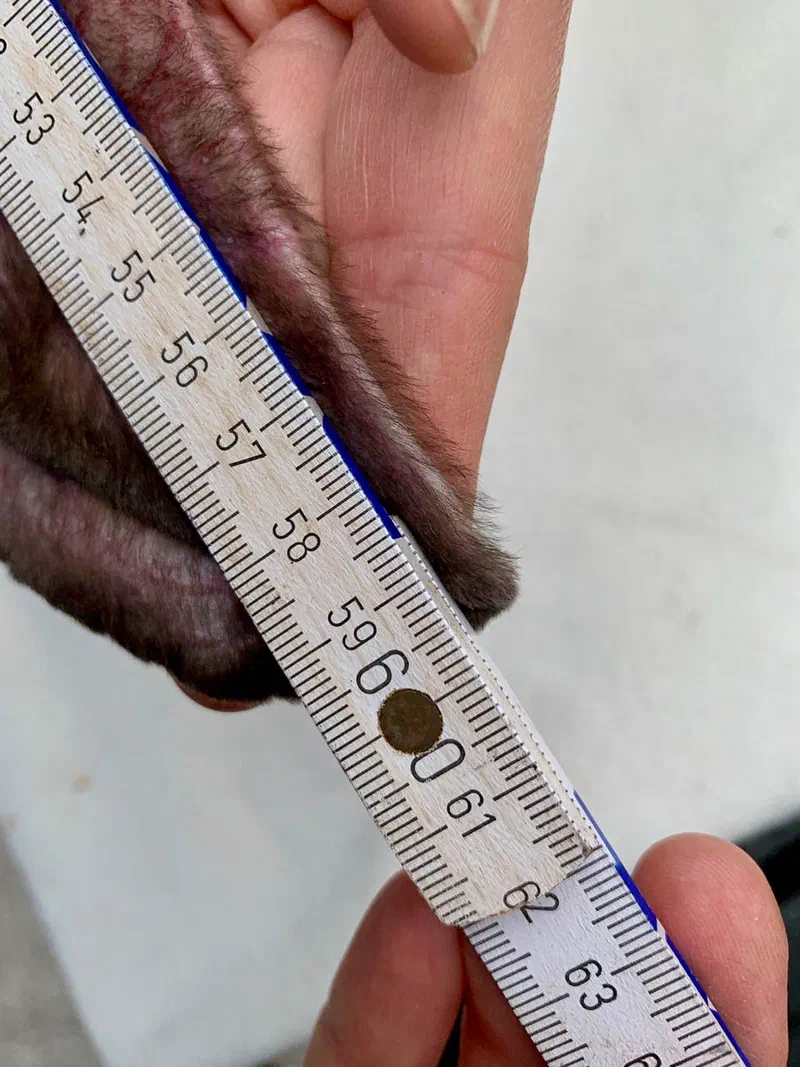
As our English Lops are rather lively characters, the steward or fellow breeder should be asked to hold the animal by the scruff or at the rear of the body, so that the ears can be held truly horizontal in peace and quiet. Most judges have real difficulty with this. There is no shame in asking the steward for help; it would be a pity to measure the ears only hastily and record an approximate result. One or two points can be lost so quickly, and the animal ends up with only a weak result. Some breeds simply need a little more time in judging to determine all position results correctly, so let’s just take that time.
The ear width is measured at the widest point of the ear, without the hair. We measure the inside, that is, the ear opening. Here, too, the ear must be spread out well, and the folding ruler must be held exactly at right angles to the length of the ear.
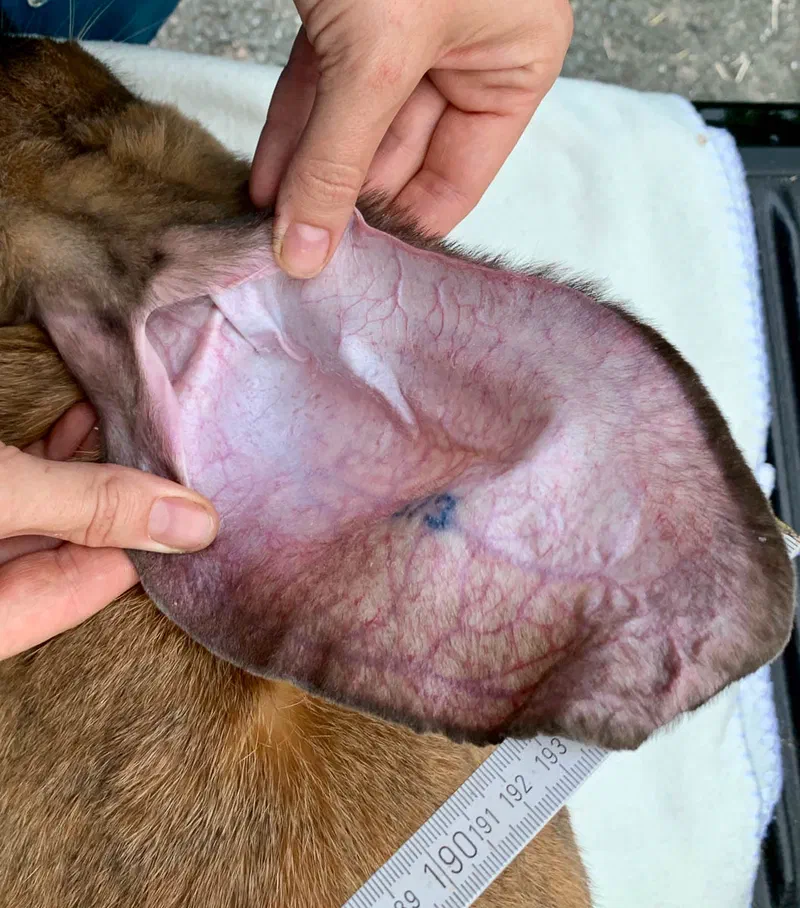
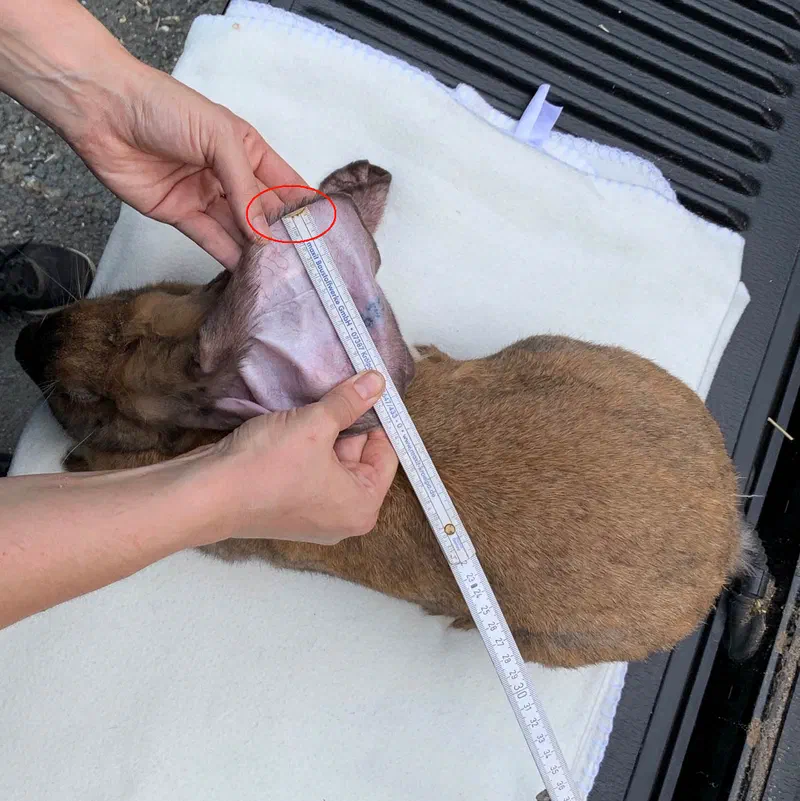
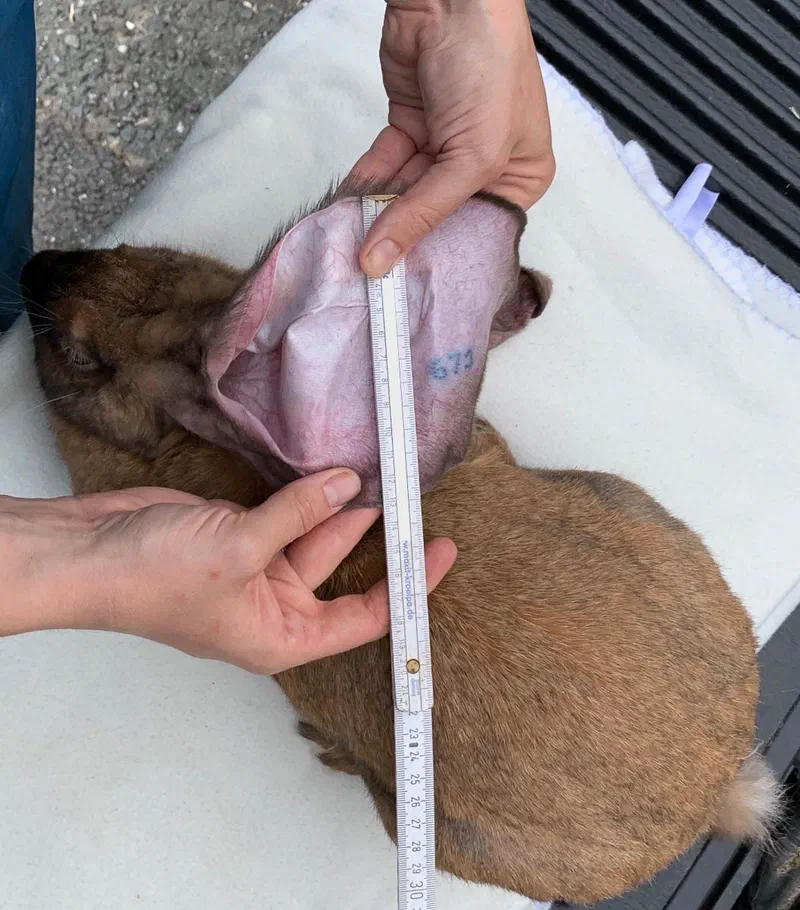
One further observation: in some animals the ear width differs between the right and left side. A right-handed person usually measures the left ear, a left-handed person the right ear. But this shouldn’t turn into a science, so I am mentioning it here only for the sake of completeness.
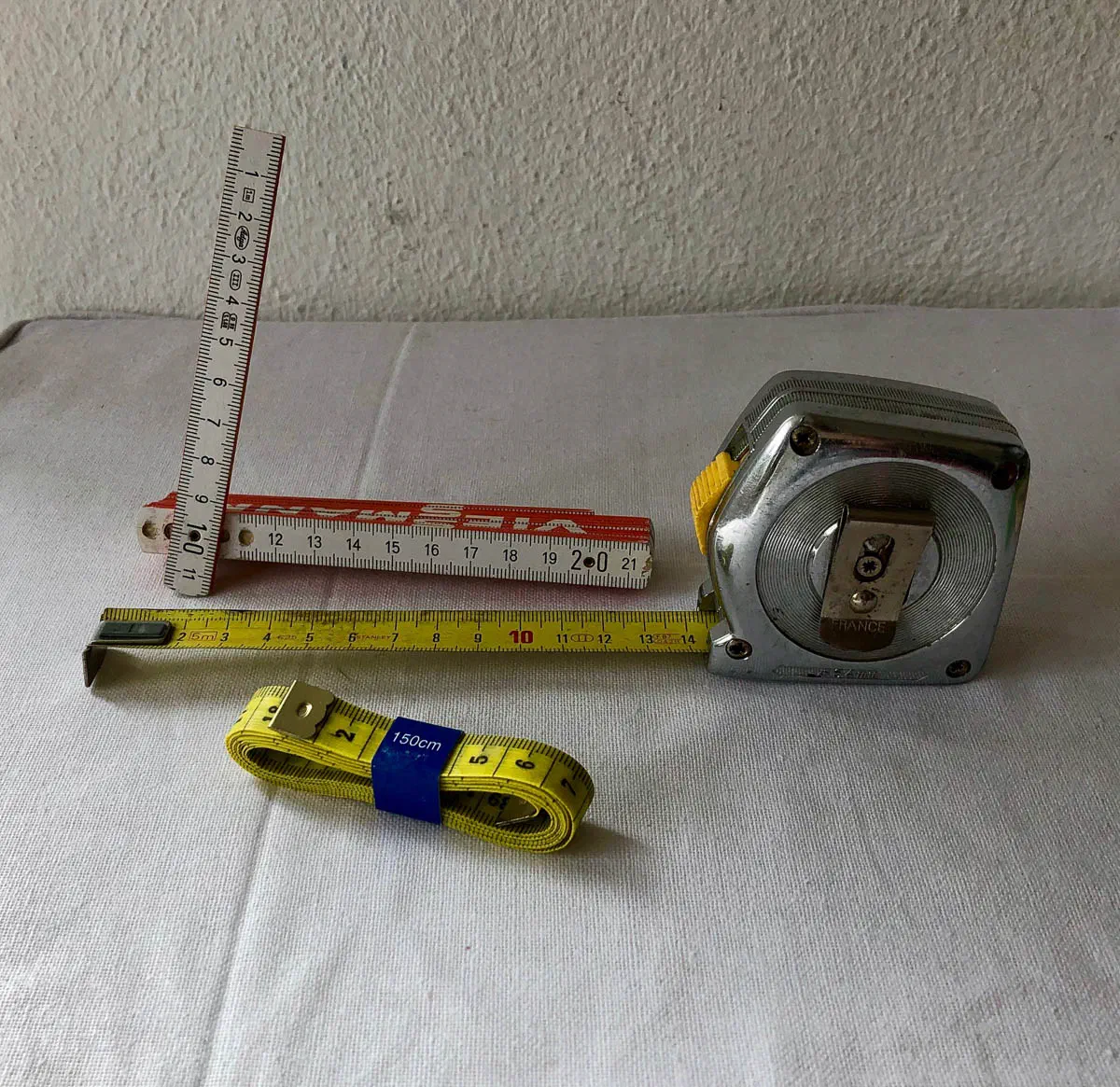
Below: pictures of suitable and less suitable measuring tools